- +91 75677 63301
- 24*7 Emergency Care

Best Wrestling Hand Injury Treatment in Ahmedabad
Specialized Wrestling Hand Injury Care by Dr. Karn Maheshwar at Krisha Hand Hospital

Satisfied Patients
0
+

Wrestling Hand Injuries Treated
0
+

Awards
0
+

Years
0
+
Menu
Introduction
Wrestling is a physically demanding sport that involves intense grappling, takedowns, and quick movements. While it’s thrilling, these actions also put the hands and wrists at risk for a variety of injuries.
Whether you’re a professional wrestler, an amateur, or someone who participates in wrestling as part of training, knowing how to prevent and treat hand injuries is crucial to maintaining your performance and health on the mat.
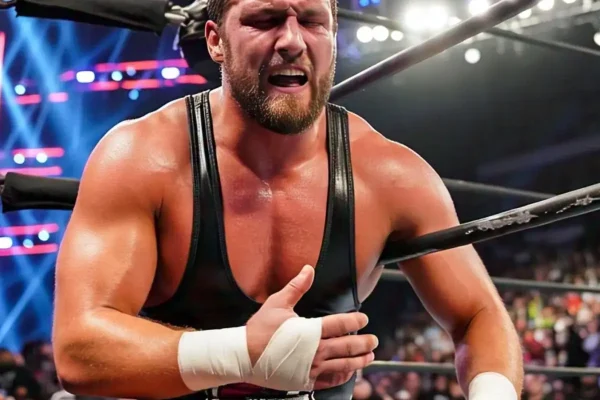
Common hand injuries in wrestling
Due to the constant use of hands in gripping, locking, and controlling your opponent, the hands are highly susceptible to injuries in wrestling. Here are some of the most common hand injuries

Fractures (Broken bones)
Common in fingers, metacarpals, and wrists, often resulting from impact during takedowns or defensive maneuvers.

Sprains & Strains
Overexertion from sudden jerks or locking movements can cause sprains (ligament overstretching) or strains (muscle or tendon injuries).

Dislocations
Joint dislocations, especially in the fingers or wrist, can happen due to forceful holds or impacts.
Ligament tears
Tears in the ligaments, such as in the thumb (gamekeeper’s thumb), can limit grip strength and flexibility.
Contusions (Bruises)
While generally less severe, bruises are common due to repeated impacts during matches.
Symptoms of wrestling hand injuries
The symptoms of a wrestling hand injury depend on the type and severity of the damage. Common symptoms include
How to diagnose hand injuries in wrestling?
To properly diagnose a wrestling hand injury, a healthcare provider will typically perform the following:
- Physical examination: The provider will assess the injured hand for signs of tenderness, swelling, bruising, and range of motion.
- Imaging tests: X-rays are commonly used to identify fractures. MRIs or ultrasounds may be used for soft tissue injuries, like ligament tears or tendon damage.
- Medical history: The provider will ask about the injury’s cause, how it occurred, and the type of symptoms being experienced.
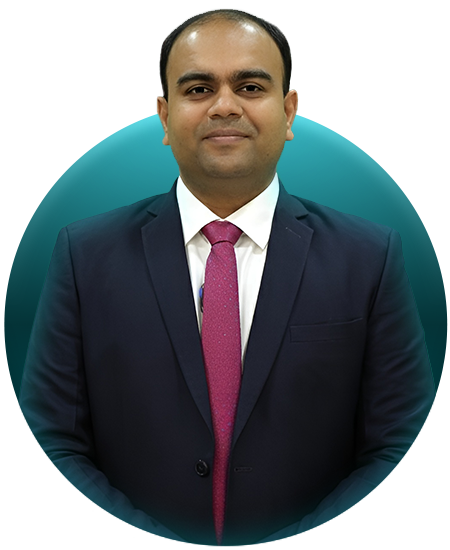
FNB – (Hand & Microsurgery) | Superspecialist in Hand, Wrist & Microsurgery | MS Ortho | DNB Ortho
- One of Gujarat’s leading specialists in Wrestling Hand Injury and Hand, Wrist & Microsurgical Reconstruction
- Expert in diagnosis, non-surgical care, and 400+ Wrestling Hand Injury surgeries, including nerve decompression and microsurgical techniques.
- Helps patients regain hand function, strength, and confidence after Wrestling Hand Injury or nerve-related injuries.
- Guided by five core values: Knowledge, Technology, Humanity, Transparency, and Affordability.
Dedicated to empowering patients, educating doctors, and preventing hand injuries across workplaces and daily life.
Satisfied Patients
0
+
Wrestling Hand Injury Treated
0
+
Years of experience
0
+
Wrestling hand injury treatment in Ahmedabad
Treatment for wrestling hand injuries depends on the severity and type of injury. While non-surgical methods can offer temporary relief, surgical treatment is often necessary for complete and lasting recovery — especially for athletes or active individuals.
Non-surgical treatments
Non-surgical methods are generally the first line of treatment, especially for minor injuries like mild sprains, strains, or minor fractures. Here are the commonly used approaches along with their benefits and limitations:

Rest
- What it does: Allows the injured tissues time to heal naturally by avoiding stress or activity.
- Cons: Healing can be slow, and inactivity may lead to stiffness or weakness. It may not resolve deeper or structural issues.

Ice therapy
- What it does: Reduces swelling and dulls pain in the early stages of injury.
- Cons: Provides only temporary relief; doesn’t fix ligament, tendon, or bone damage.

Compression & Elevation
- What it does: Helps control swelling and improves circulation to the injured area.
- Cons: Must be done correctly; not effective for treating internal joint or tendon damage.

Medications (NSAIDs)
- What it does: Reduces pain and inflammation.
- Cons: Doesn’t promote healing; prolonged use may cause side effects like stomach irritation or kidney issues.
While non-surgical methods can help manage pain and support recovery for minor injuries, they are often temporary solutions. For athletes and individuals with moderate to severe damage, these methods may not fully restore function or prevent future complications.
Surgical treatments
Surgical intervention is recommended for severe injuries like complete ligament or tendon tears, complex fractures, joint dislocations, nerve damage, or chronic instability—especially when non-surgical treatments fail to provide relief.
1. Fracture fixation
When bones in the hand are broken or displaced, they may need realignment and stabilization using:
- Plates and Screws: To hold the bone in place as it heals.
- Pins/Wires: Used in smaller bones or pediatric cases.
Benefits: Accurate healing and reduced risk of long-term deformity or arthritis.
2. Ligament repair or reconstruction
For torn ligaments (common in thumb or wrist injuries), surgery reattaches or reconstructs the damaged ligament using sutures or grafts.
Benefits: Restores joint stability and prevents future dislocations.
3. Tendon repair
In cases of tendon ruptures, surgical repair reconnects the torn ends of the tendon or uses tendon grafts if necessary.
Benefits: Helps regain full movement and strength in the affected finger or wrist.
4. Joint stabilization or fusion
When the injury involves joint instability or chronic dislocation, surgical options include:
- Capsuloligamentous repair (tightening the joint capsule)
- Joint fusion in severe cases to eliminate movement and pain
Benefits: Provides permanent stabilization and prevents further damage.
Recovery after wrestling hand surgery
Recovery depends on the severity of the injury and the type of procedure. Here’s a general timeline and what to expect:
- Week 1–2: Immobilization with splint or cast; swelling and pain gradually reduce.
- Week 3–6: Sutures removed; start of guided physiotherapy.
- Week 6–12: Increasing range of motion and strength-building exercises.
- 3–6 months: Return to full daily function; athletes may resume light training.
- 6+ months: Full return to contact sports (with doctor’s clearance).
Adherence to physiotherapy is critical—it speeds up healing, prevents stiffness, and restores full function.
Prevention tips for wrestlers
Preventing hand injuries in wrestling is just as important as treating them. Here are ways to reduce risk:
- Strengthen hands & wrists: Regular resistance and grip training helps build muscle support around joints and tendons.
- Warm up properly: Stretching and warming up before matches increases flexibility and blood flow to reduce strain.
- Use proper technique: Learning correct holds, falls, and break-falls can prevent unnatural pressure on the hand and wrist.
- Wear protective gear: Supportive wrist wraps, thumb guards, or padded gloves can reduce the impact during training.
- Listen to your body: Persistent pain, swelling, or weakness are signs to stop and get evaluated early—before it becomes serious.
What makes us the best hospital for wrestling hand injury treatment in Ahmedabad?
When it comes to treating complex hand injuries, especially in athletes like wrestlers, specialized care is non-negotiable. Here’s why patients trust us for expert hand and wrist injury management:

Expertise of Dr. Karn Maheshwari
He is a highly skilled hand & wrist surgeon specialized in treating wrestling hand injury. His specialized knowledge ensures that you receive the most effective treatment tailored to your individual needs.

Personalized treatment plans
We believe that no two patients are the same. Dr. Maheshwari tailors each treatment plan based on your specific symptoms, lifestyle, and preferences, ensuring you get the most effective and least invasive care possible.

Minimally invasive surgery
When surgery is necessary, we use the latest techniques to reduce scarring, shorten recovery times, and get you back to your daily activities faster.

Comprehensive physiotherapy
Our in-house physiotherapy team, led by Dr. Maheshwari, provides targeted rehabilitation exercises post-surgery to ensure optimal recovery and restore hand function as quickly as possible.
State-of-the-art facility
Our hospital is equipped with modern medical technologies, ensuring precise diagnostics and advanced treatment options for every patient.

Patient-centric care
From your first consultation to your follow-up care, our team is dedicated to providing a comfortable, compassionate experience. We prioritize open communication, answering all your questions and keeping you informed every step of the way.
What our patients say about their hand treatment
Prem Singh Rathore
Hi, I am Prem, and I live in Naroda, Ahmedabad.
Let me tell you why you should choose Dr. Karn Maheshwari and why I believe he is the best in the business for forearm and hand surgeries.
At the age of 18, I broke my left hand(radius bone) in school in 2013. I remember I was in the 12th standard. It happened around teacher’s day.
I went to see a nearby orthopedic doctor who did my fracture and covered it with a plaster. So, there was no surgery involved.
When the plaster got uncovered, I saw my hand for the first time, and I wasn’t happy. It looked like my alignment(between radius and ulna bone) was messed up, and I wasn’t satisfied with the result.
Although the doctor kept giving me false hope about my hand, that it would get better with time, it never did.
So, I started consulting with other orthopedic specialists regarding the resolution for my messed-up wrist.
Until I met Dr. Karn Maheshwari, He answered all my questions, cleared all my doubts in and out regarding the possible hand surgery, and gave assurance that he’d only do the surgery, which would give me the satisfaction that I was looking forth.
And after Nine years of waiting, I was convinced that this was the guy I wanted to bet my money on. Now, after the surgery, my hand looks good.
The bone alignment is better, the wrist movement is better, and I feel like my hand strength is back.
If you or any of your relative is looking to visit Dr. Karn, feel free to go and consult with him, and I am sure you will get the result and the answers you’re looking forth.
You can thank me after the surgery. My no. is available with Dr. Karn.
Aashish thakor
Maru name Aashish Thakor Che Mara bhai ne Cricket Ramta Finger Ma Fracture Thayu tu Mane Dr. Sulay Sachdev ne tya Batava gayo Amne Dr.Karn Maheshwari No Reference aapyo hu Krisha Hospital ma Batava aavyo. Sir nu kam saru che Hospital Staff Saro che. Thank u sir 🙏😊
Hitendra Solanki
He is a very nice doctor. He has good experience and knowledge. I used to have a lot of pain in the first swelling of my right hand for years. Took medicines from many doctors. But no matter Dr. Karn Maheshwari sir is completely pain free after the operation.
Kiran Vankar
Maru name kirti kumar che.
Kakoshi.ta.shidhalur.dist.patan.
Maro left hand thumb cut thai gayo hato..
Dr.kan maheshwari & aemni team ae 5hr khub mahenat kari operation kari maro thumb fari thi joint kari aapyo.
Hu ane mara family aemna khub khub aabhari chhiae.
Dr.karn & aemno all staff bahu j sara nature na che. Aemni hospital pn bahu sari chhe.
Hu hammesh mate aemno aabhari chhu.thank u dr.karn & team
Panchal Nehal
Dr. Karn Maheshwari Sir Tandem Trasplantation of my arm after brachial plexus operation and tried to work as best as possible.
Karan Vashfoda
Maru hath Machine ma aai gyu hatu .. pachi me dr karn pase mara hath ni surgery karai Ane Mara hath ma sudharo Thai gayo che.. dr karn Maheshwari ne hu dhyanwad kru chu aemne mara hath ne bachavi didhu..
Shruti Modi
Dr.Karn Maheshwari the very nice ,cooperative and so experienced doctor and surgeon for any type of arm or hand problem … very successful too.
Two months ago my daughter was suffering with DQ problem in right hand and she couldn’t move wrist.. It was totally restricted by moving.. But in a first consultation with Dr. Karn we were so satisfied and been confident for successful surgery ..
In a moments of surgery with perfect guidance she is now absolutely fine and can do everything with the right hand.. Thanx to Dr.Karn.. and thnx to our doctor friend who suggested this cooperative and successful doctor…Thank you…
Kandarp Raval
Dr Karn is one of the most amazing doctors I have ever across. Not just a great doctor, he is a very good human being with a heart of gold. While most specialists told me I had to learn to put up with my ganglion pain, Dr Karn ensured I got rid of it through a successful surgery. His behaviour, treatment and never-give-up attitude boosts patients for a speedy recovery. He listens and addresses each of his patient’s complaint with utmost care and attention. A few adjectives that describe him are compassionate, respectful, attentive, dedicated, kind, empathetic and much more…..
Jyoti Morabia
Dr karn Maheshwari is best hand surgeon.he is polite and Very supportive Doctor.
1year ago I had the operation of carpel tunnel with him. I got very good cooperation from him. He was constantly taking care of me over the phone. So I am very satisfied with his work and nature….
Congratulations!!! Sir💐
Nandkishore Patel
One of the best hand and microsurgery Doctor in Gujarat. Visited his hospital and had a great experience getting treated by him. Also the staff members working with the doctor are very helpful after getting treated by him.
Lay Shah
Dr. Karn Maheshwari is really an expert and can tackle any hand related surgeries exceptionally well.
My grandmother had an accident and got a really deep wound on her finger. She needed immediate operation to get it treated. We got spontaneous help from Dr. Karn and he consolably explained us the complete process for the hand operation. He skillfully completed the operation and comforted my grandmother during the same.
Had really satisfactory experience during the entire procedure and she was discharged in the evening itself.
I would totally recommend Dr Karn Maheshwari.
Rajendra Acharaya
Hello, friends
My name is Rajendra Acharya, I am a resident of Bhilwara, Pur in Rajasthan. Friends, while playing cricket, my ring finger got completely broken in the middle due to a ball. For its treatment, I showed it to all places like Bhilwara, Ajmer, Jaipur and Udaipur, but no one got it. Any doctor at any place completely refused to fix it as before and said that there will be no movement in it and it will always remain straight. Then we talked to the person who met us in Ahmedabad and showed us 3-4 places there. We went to Dr. Rajendra ji Patel’s place in Navrangpura. There Dr. Rajendra ji Patel asked us to get treatment from Dr. Karan ji Maheshwari and without any delay we met Karan sir and got the operation done and in just 45 days my finger came back. as it happened
For this I thank Karan Sir very much for correcting my finger.
Dr Sudha Yadav
I had swelling and stiffness in fingers of my left hand for which I consulted Dr Karn Maheshwari. I found Dr Maheshwari to be with great expertise in his speciality. He explained to me in details everything and answered to all my queries with patience. He is highly professional with great skills and very kind and compassinate doctor. I am much better within short span of treatment. I thank Dr Maheshwari from core of my heart.
Er Avadh Patel
I am sharing my own experience. I had last finger injury of hand of them were almost amputated from distal part. I thanks to Dr. Karn maheshwari sir and his team did 2hr long surgery and made the operation successful. Right now after one and half month recovery my finger. Thanks to sir and his team
Ritesh Desai
Machine ma hath avi javani mari angli ma ghabhir ija thai ti …pela biji jagaya a operation thay pan Ema kai … Saru na thau nai ….p6i mane company na manager sir a … Dr Karn maheshwari sir no content karvyo … Tay mari surgery karvi …atyray mane ghanu saru che … finger ma movement avi gai che … Thank you Dr Karn maheshwari..all staff
Dhruv Raval
I was diagnosed with DQ in my left hand wrist, It was too painful even I try to take a paper, It was a worst condition for me , Dr. Karn sir operate me wisely, After operation my wrist was good, pain was relief , Moreover Dr. Karn and hospital staff were always quick to respond and provide advice with a personal touch.
Naresh Katara
After the operation of branchial plexus, pain in the hand and swelling have reduced. There is pain in the hand, now it is better than before.
Kajalba Vaghela
Dr karn Maheshwari sir is a best orthopaedic hand surgeon in gujrat . he treated my husband right hand finger ring surgery and result is so good after then my husband feel better good and hospital staff is very coperative and sir is very excellent hand surgen.
Amit
I hail from Sydney, Australia and had some severe wrist pain with a couple of lumps. I wasn’t able to get best medication in Sydney and ended up reading great about Dr Karn. So went to him and I had a wrist surgery done for a ganglion cyst and schwannoma(very painful) in March 2024. Technically, it should not be painful but due to some reason it was. Dr Karn did a great job in surgery and later told me that schwannoma was near my wrist bone which caused the pain. Bhavesh and Manisha were great nurses who helped me in my surgery and regular dressings. There was 1 another lady nurse and she was so helpful too.
Best part was Dr Karn asked me to keep him updated after the stitches were taken off.
Genuinely, you can’t get a better wrist surgeon than Dr Karn and his team.
Ankita Morbia
Dr karan maheswari is a best hand surgeon I had carpen tunnel surgery from him, back support is good staff is also good & polite the best thing of a Doctor is he gives enough time nd is of polite & kind nature
Thanks to Doctor & his team.
I recommend to every one .
Hardik Soni
**Outstanding Experience with Dr. Karna Maheshwari**
I recently underwent wrist surgery performed by Dr. Karna Maheshwari, and I cannot express enough how grateful I am for the care and expertise I received. From the initial consultation to the post-operative follow-ups, Dr. Maheshwari and his team were incredibly professional, compassionate, and attentive.
The surgery itself went smoothly, and Dr. Maheshwari took the time to explain each step of the procedure, alleviating my anxiety. His skill as a surgeon is remarkable, as I have experienced a significant improvement in my wrist function and pain levels.
Post-surgery, the recovery process was well-guided, with Dr. Maheshwari providing a comprehensive rehabilitation plan. I appreciated his willingness to answer all my questions and his proactive approach in managing my recovery.
Overall, I highly recommend Dr. Karna Maheshwari for anyone considering wrist surgery. His expertise and dedication to patient care make him an exceptional choice for orthopedic surgery.
Ranjita Patel
I had a injury due to cricket ball and my right thumb was fractured so I came at krisha hospital and surgery done by Dr karn Maheshwari after surgery my all movements are normal and i am fully satisfied with surgery and hospital staff was good.I highly recommended Dr karn Maheshwari for any hand related surgery.
Harshit Patadiya
I have undergone Finger amputation and it is performed by Mr. Karn Maheshwari at night around 2 am. He is really gem. He is so soft spoken and very polite. He is very much friendly too. Obviously he is super specialist in Hand Surgery, so there would no doubt about surgery. My finger is recovering very fast. His care for patient is at next level. Thanks Sir.
Rima Rajput
I am Nagji Rajput’s wife. My husband Abbarish works in healthcare. He was hit in the hand by a machine in the ongoing job. Karna Maheshwari performed the operation. And we got very good results. Thank you very much.
Patel Rajesh
Mare tendon repair dr Karn Maheshwari sir ae surgery kri and Hal Mane bavj saru che. Dr Karn Maheshwari very kind person.
Bhoomi Dhanwani
He is one of the best orthopedic surgeons i have met….i have been diagnosed with ulnocarpal impingement syndrome…he advised me to have a cast but the best thing about that is after my cast was removed i got 2 calls from his clinic to have a follow up on my condition which is the best i have reponse from a private practitioner i have ever received …
Dhwani Shah
I was having severe pain and restricted movement in my left wrist and was diagnosed with ganglionic cyst. Dr Karn Maheshwari got this operated very precisely and perfectly. It’s been a month and now i can do all my work without pain. Also the staff was throughout so supportive. Would surely recommend this hospital for the needful.
Jignesh Pathak
Most caring as well as friendly doctor. Perfact diagnosis and surgery was done for carpal tunnel syndrom. Very friendly and co operative staff. Clean and tidy hospital.
thanks.
Bhaumik Patel
All throughout my stay at Krisha hospital , we had a wonderful experience . They have the best available doctors in every field and experienced nurses too . Such a loving and caring behaviour , along with the best treatment . I would also appreciate the other subordinate staff for their prompt and efficient services … It also ranks number one as far as the cleanliness is concerned . Overall one of the best hospital in Gujarat we can be proud of . May God bless all the doctors and the entire staff to continue their amazing service to mankind forever .
Altaf Bhojani.
He Is Awesome Doctor for Hand Surgery…
I have Injury in Right Hand Index Finger While I Playing Cricket…
Ligaments Surgery is fully Successful…
Also Positive and Good Nature of Doctor..
Parth Modh
I am sharing my own experience. I had index and middle finger injury of where both of them were almost amputated from distal part. Dr. Karn sir and his team did 8hrs long surgery and made the operation successful. Right now after 1 month recovery my fingers are healed. Thanks to sir and his team
Jaesh Kodravi
Maro hath machine ma aavi gyo hato sir a surgury karya pachi hath have Saro thava avyo che moment thay che sir Ane hospital staff khub Saro che thank you
Bhavik shah
I m writing this review after about 3 months post my tendon wrist surgery done at krisha hospital by karn maheshwari sir and I can probably say he is genuinely one of the best doctors that I Have visited .
He operated my ecu tendon tear and its healing quite well now and the best part is he was always available on a phone call whenever there was any confusion
Thank you karn sir
Kuldeep sompura
Dr karn Maheshwari sir is a best orthopaedic hand surgeon in gujrat . he treated my sister left hand thumb surgery and result is so good and hospital staff is very coperative .
Kuldipsinh Vaghela
I was suffering from ganglion problem for one and a half years but even after seeing seven doctors, this problem was not resolved and I was very confused but after visiting Dr. Karn Maheshwari Saheb, my ganglion problem was discovered and it was operated by Dr. Karn Maheshwari Saheb Shri. I am very happy and healthy, the problem that I had for one and a half years was removed by Dr. Karn Maheshwari Sahib’s operation. The entire staff of Krisha Hospital is also very humane and very nice who takes full care of the patients. Thank you doctor Karn Maheshwari sir and entire staff.
ShaVrma
It’s been 5 months since my mother underwent her CTS surgery at your hospital
We’re really thankful to the Doctor and the entire team, her hand has completely recovered
There’s no pain, and the scarring on the wrist is so minimal that we can’t even notice.
Nemi Modi
Thanks to Dr. Karn and team for taking care of my husband… He had injury by cricket ball on Rt finger and was unable to do even normal movement… Operation was also difficult… Dr. Karn did New minimal surgery for that and now after 1.5 months of surgery now he is able to do total movement of That finger… We are so much thankful to such Hand surgeon at our society… You should also visit for any orthopedic issues… Best opinion best surgery best results… As a patient what we need more?
Newkumar Printry
4 -5 mahina pela machine ma hath avathi mara banne hath ni angadi kapayi gayeli dr karn maheshwari sir na tya surgery karavinr have mne ghanu saru che hal mne mne ghanu saru che krisha hospital and amno ghano abhari chu …………hand mate khub sari hospital che
Pratik Panasara
As being myself a doctor, i visited dr karn maheshwari for surgery of trigger thumb of my son. He explained me in details regarding medical condition of my child in details, regarding surgery and post-operative outcome for approx. 20-25 minutes and after surgery my child has complete improvement physically and cosmetically.. and also special thanks to entire KRISHA hospital’s staff for taking care of my son during pre-operative and immediate post-operative period..
Nidhi Phadnis Joshi
Best Orthopedic Doctor we wisited. Fast recovery and proper response. Well attending doctor.
Best attending staff.
Navinbhai Patel
My son was heavily injured in the industry accident and his fingers were heavily injured. That moment we appoint specialist for this kind of injury. He maintains situation very good and give my son very best treatment. And in this phase he constantly call us and give every advice we needed. We are very grateful for their service.
Hardikparmar111
I recently got treated by Dr. Karn Maheshwari after injuring myself while playing cricket. I am happy with the treatment and care I received. Dr. Maheshwari was great from start to finish.
He took time to explain my cricket ball injury and all the treatment options, so I always knew what was happening. He was clear and honest throughout, which made me feel comfortable and confident.
The treatment was excellent, and thanks to Dr. Maheshwari and the staff. I’m feeling much better and back to my normal activities. I highly recommend Dr. Maheshwari for hand injuries and surgeries.
Tehsin Luhar
Because of machine crush ingury my tendon was cut after that I was going at krisha hospital for further management and I was operated for tendon repair by dr karn Maheshwari and It was successfully done. I am Fully recovered after this surgery. Thanks to dr Karn Maheshwari and all hospital staff.
Hiten Thakkar
FLEXOR CARPI RADIALIS TENDON cut by glass, su first and second finger movement hampered so tendon repair surgery done by Dr. karn maheshwari sir.
Sandip Chunara
I had contacted many orthopedic doctors before, but the treatment and communication with Karn Maheshwari sir was the best for me and I liked the behavior and approach of his nursing staff and his Father also, Karn Maheshwari sir is the best in his field and I think that he walks with science and humanity together.
I am looking forward to the post-operative treatment with optimism and looking forward to get the best results.
Vd. Virendra V. Modi
Really great attention by Dr. Karn sir .. perfect diagnosis ..great advice and even advised for further… I had consulted or cricket injury….must visit clinic
Manish Jani
Amara bhai na bane hath machine ma aavi gaya hata Jena pasi ame dr rajan patel na referrals thi Krisha hospital ma aavya je dr Karn maheshwari ne batavyu jemne surgery kari and Hal have hath ma saru che amne ahiya bahu saru lagyu and hospital and staff bahu saru che
Abhay Mohta
I had vein problems in arms and legs, but the most important thing was to understand my problem, I knew Dr. Karn Maheswari through society, so I decided to take his appointment and meet him, and what I knew about him. More than that I felt better, he listened to me and my problem very carefully and then did a complete examination and gave me medicine, from which I am benefiting now. I would definitely say that anyone who has the same problem as me should definitely visit sir once…..thank you sir.
Gajendra pavra
I sent a patient she is employee in my company and had machine crush injury in left index finger and thumb was injured and we reached to krisha hospital and dr karn Maheshwari do successfull surgery. He is very kind and gentle person.
Jadeja Budhubha
Jai Mataji, I am Jadeja Rinkalba from village Makda Kutch Bhuj. About two months ago, while doing housework, I got a glass blow on the middle finger of my left hand. At that time I had a simple wound so I got it treated. After a period of 15 days my finger could not do any movement so I went to Mandvi Hospital for treatment, so I went to Bhuj Leva Patel Hospital for treatment as per doctor’s opinion. Dr. Leva Patel Hospital. From the opinion of Jadeja Divyarajsingh Dr. from Ahmedabad in Leva Patel Hospital at Bhuj. Dr. Kanan Maheshwari and Leva Patel Hospital. Anand Hirani performed the operation and took care of the finger after the operation as per his advice and the operation was successful. Today, after the operation, my finger is completely straight and it can also do movement, so I Dr. Kanan Maheshwari and Dr. I am very grateful to Anand Hirani. Thank you 😊
Salam Solanki
My son had a bike accident or I came to Krisha hospital after surgery and now my son is recovering, thank you Krisha hospital Karn sir and all staff.
Mukesh Patel
Mari wife ne lamba samay thi aangalio Ane angutha ma dukhavo thato hato .Dr Karn Saheb ne malya pehla main Ghana badha doctors ne batayu hatu gani davao lidhi pan farak na padyo.etle mein Dr Karn Saheb ne malvanu nakki karyu .Saheb e Mari wife ne tapasya pachhi kahyu k aama Dr Rutvij sir pase tame jao to saru Thai jase .Ane kharekhar Dr Rutvij sir ni davao thi farak padva lagyo .aa badal hu Dr Karn Saheb Ane Dr Rutvij Saheb no khub khub aabhar vyakt Karu chhu
Rathod Rajnikant
I got grinder crush injury or I met Dr. Karn Maheshwari sir or I got it from my surgery, I am almost fine now.
Naresh Patel
After meeting Dr. Karn my faith in humanity is multiplied by many time. My brother’s arm vaines was cut in an accident. I visited many hospitals but no one has the satisfactory reply. I lost my hope. But after few days I got Dr. Karn’s reference from my friend. He consulted my family and as we belong from village. He also made sure that we don’t get any financial burden. Today while writing this review my brother is recovered and started his normal life. The support from Dr. karn is like blessings for me.
Arvind Singh
It was indeed great pleasure to get the right surgical approach in case of my wrist fracture, I was confused for my displaced distal radius fracture of right hand about the operative procedures but the experience and confidence has brought the best, Dr. Karn Maheshwari with his skills and surgical expertise brought back the proper alignment of my hand by volar plate fixation for which I am thankfull to him and advocate other to seek his guidance for the prestigious hand
Satnarain Saini
Dr. Karn Maheshwari is the best Orthopaedics & Superspecialist in Hand & Microsurgery .
My son was suffering from Elbow pain from last one year, we consulted many Doctors. But Dr. Karn Maheshwari exactly diagnosed the problem of Snapping Elbow Syndrome ( Ulna Nerve + Medial head of Triceps) & confirmed it through MRI & sonography test. He personally guided & co-ordinated with radiology Doctors for this test. He performed surgery of Ulnar nerve transposition & muscle repair very successfully with best result. Throughout the whole treatment he guided and clarify every aspect. He is very friendly, co-operative, patient carrying, polite ,smiling face & give sufficient time to patient. My son is fully satisfied & heartedly thankful to Dr. Karn Maheshwari sir for excellent treatment and best result.
Dhaval Patel
My thumb was injured by machine by Dr karn maheshwari it was good experience..thank you sir
Ankit Patel
Krisha hospital is specialised in hand and wrist surgeries.
I was treated for my finger injury here
Dr. Karn sir is the one who saved my finger from losing its movement. Sir is calm and professional who made my fear go away.
All the staff members helped me with my every query.
Rajveer Singh
Dr. Karn maheshwari is an out or ordinarily surgeon; moreover, he is an out of ordinary human being. He sees patients as human beings and not objects of money making. He is highly competitive, compassionate and connected to the roots. he has cured few impossible looking cases. He is highly expressive and explains details to clients is great details . This gives the patient great comfort and confidence. I am extremely thankful to him and highly recommend Dr Maheshwari to anyone needing hand surgery.
Rajeshkumar Barot
Doctor Karn Maheshwari is a good doctor. My son had a finger fracture. I showed it to a big doctor but he said that 80% will be a defect. But Maheshwari showed him and told him that 90% movement will come in the finger. Many thanks to Dr. Karn Maheshwari sir for performing a normal operation and bringing him 90% movement.
Brinda desai
Prompt response was given to my child as I called before hand asking the staff for doctor’s availability, doctor Karn provided immediate attention and care to my son who had a fracture in his right hand. The staff is very supportive. My son has recovered in 30 days, he is facing no issues related to the movement of his hand and is slowly gaining strength at the fractured bone.
Nikunj Rathod
I taken online consultion appoinment at just 99 rs with krisha hospital located vaishnodevi the expriance was nice Dr karn maheshwari such good Dr with lots of knowledge ….thank you all staff and dr karn maheshwari
Chin Tan
Thank you for all the care that you have given me after my injury. You have made sure that I was always given the best care available. Your compassionate attention and professional care saved my finger. There are not enough words for me to express my appreciation. Because of your excellent care I have my finger. I will always be grateful for the additional years of life that your care has allowed me to enjoy.”
Most trusted and reliable.
Dr Jayantilal Rusat
It is said that healing begins with meeting a doctor and I found it true when I met Dr. Karn Maheshwari in Krisha Hospital. He is very sober and inteligent, expert in diagnosis and method of treatment.
I had an injury, which had created facture in my right foot’s fingers. I have been cured by treatment in Krisha hospital very economically.
I appreciate the qualities and mannerisms of paramedical and administrative staffs of Krisha hospital. I thanks Dr. Karn and all of them.
Fk Travels
My nephew is in uk .He had 2 surgery in right hand little finger in vadodara.But he is having severe sweeping and no movement.But sir gave bandage and sprint to wear in finger.recovery is good.sir nicely explain and heard the problem.
Pooja Thakkar
The service that I received from Krisha Hospital was excellent. Dr. Karn Maheshwari is an expert surgeon, he has explained me everything very clearly about my surgery, the staff was also helpful and kind. They ensured I had a smooth surgery and follow up, I am much satisfied with the post result and getting speedy recovery with the doctor’s instruction. I would highly recommend to anyone.
Nandkishore Patel
One of the best hand and microsurgery Doctor in Gujarat. Visited his hospital and had a great experience getting treated by him. Also the staff members working with the doctor are very helpful after getting treated by him.
Nikky Patel
Best Doctor for Hand surgery He is very good person for nature wise very polite,also gives true information for every patient and every time connecting patient for every situation
Arman Khan
Pela nana ma 7age ni umar ma te padi gya hta ane hath fekcher thayi gyu hatu pachi have 38umar ni vakhate khabar padyo ke hath no opresen karovu padse to ame Ahmadabad ma krisha hospital ma opresen karva layi gya ane opresen safal rahyo
Manjeet Singh
Really Thx Dr. Karn Maheshwari Sir and krisha hospital Ahmedabad. My child 2 yr. old and his right Hand ring Finger total ring finger total damage. but after successfully surgery done Dr. Karn Maheshwari and now Ring proper Good Conditions and proper movement Ring Finger.. Again thx Dr. Karn Maheshwari & and krisha hospital.
Dr. Karn Maheshwari is only one finger specialist he is save many people and child Finger and Hand.
Bhavesh Mehta
Dr. Karn Maheshwari is an expert surgeon. My mother gone through hand surgery and she is very much satisfied with the Surgery as the problem is completely solved. Krisha hospital has all the facilities in hospital .. Even the staff is also very kind and supportive.. will definitely suggest if you have any problems with your hands ..
Hardik Patel
Very cool Dr., Explains in details, spends time on queries raised by patients or their families. No wrong advice, will do operation only if required. Reasonable charges. My wife had to under go wrist surgery through him which was one of the very rare preiser disease, he simplified operation and tried to save wrist bones. Now she is getting better day by day. All the best Dr. Karn for your bright future.
Vipin kashyap
One of the best superspecialíst Hand surgeon. I had done my mom’s surgery and the results are way too good. I was fed up with the problem in mom’s hand and got the best resolution at Krisha Hospital
Sudha iyer dsouza
Prompt diagnosis and all possible lines of treatment were explained elaborately by Dr Karn Maheshwari. The paramedics and other staff members were very polite, considerate and helpful. Both pre-op and post-op responses from the doctor and his team have been excellent. Thank you.
Mada Bhai
Mara bhai Hamir Rabari no accident 3 mahina pahela thayo hato. Jema dabo hath Kam nato karto. Karn Maheshwari sire mast operation Kari apyu 6e. Ame temna abhari 6ia. Staff pan Saras 6e. Hospital ma khavani temaj rahevani suvidha pan Saras 6e. Abhar.
Bhimji Ahir
Dr. Thank you very much Karn Maheshwari. The hand operation done by Dr Sir was very successful. Today my brother’s hand is working perfectly. We will be thankful to him for giving him a hand operation for very little money. Dr Karn Maheshwari is very helpful for common people. I pray to Lord Krishna that Dr. Karn Maheshwari Sir may make great progress in life.
Pankaj Bhanderi
The services that I received from Dr. Karn Maheshwari is excellent. He done treatment for hand fracture of my 4 years old daughter. Dr. Karn Maheshwari and the staff are very friendly and supportive. Received perfect treatment with very much satisfactory result.
Ramesh Thanth
My name is Rameshbhai my wife was suffering from pain in wrist and hand for a long time and I got the address of Krisha hospital Dr. Karn Maheshwari I came there and operated on her now she is very well
Daya sondarva
I really like your services n after your treatment ,I m completely recovered from my fracture n now able to move my left hand properly.all staff work also liked by me.thank u so much sir for surgery of my left hand.
Zishan Iproliya
I had my operation of right elbow here and I have seen massive improvement in my range of motion which was restricted and doctor provided us with regular checkups after the surgery.
Hiren Patel
Ketan katharotiya
Dr.karn is the best hand surgeon and microsurgeon in gujarat ahmedabad.
Jignesh galsar
Doctor have good nature and my broken finger fixed very quickly with his treatment …..love the nature of staff too ….
Nidhi Patel
Dr.karn maheshwari is best hand,wrist and micro surgeon his hospital’s cleaning is best and staff nature is very good and sincerely
- B-201, 2nd Floor, Shaligram Lakeview, Nr Vaishnodevi Circle, S.P. Ring Road, Highway, Service Rd, Vaishnodevi, Zundal, Ahmedabad, Gujarat 382421
-
Mon–Sat: 11:00 AM – 01:00 PM, 06:00 PM – 08:00 PM
Every 2nd Saturday of the Month: 9:30 AM –11:00 AM - +91 75677 63301
-
Sun: Closed
Emergency: 24/7 Available
FAQs about wrestling hand injury
At Krisha Hand Hospital, your treatment will be handled by Dr. Karn Maheshwari, a dedicated hand and wrist specialist with extensive experience in treating sports-related injuries, especially in athletes like wrestlers.
We usually offer same-day or next-day appointments for sports injuries. Early diagnosis helps prevent complications, so we prioritize timely care for athletes and active individuals.
If you’ve suffered a fall, twist, or impact during wrestling and are experiencing swelling, pain, numbness, restricted motion, or visible deformity, you should visit Krisha Hand Hospital as soon as possible. Early diagnosis prevents long-term complications and ensures faster healing.
Yes. We offer a comprehensive rehabilitation program customized to your injury and wrestling career goals. Our trained physiotherapists work closely with Dr. Maheshwari to help you regain strength, flexibility, and functional movement safely.
Yes, many sports-related hand and wrist injuries are covered under health insurance. Our staff will assist you in understanding your coverage and help you with the cashless or reimbursement process.
Please carry any previous X-rays or medical reports, a list of medications, your insurance card, and details about how the injury occurred (e.g., match video if available). This helps us plan your treatment better.
Yes. If you’ve been treated elsewhere and still face pain, reduced mobility, or delayed healing, Dr. Maheshwari offers trusted second opinions for previously treated or misdiagnosed wrestling hand injuries.
Yes. We offer advanced minimally invasive (keyhole) surgeries whenever suitable. These procedures promote faster recovery, minimal scarring, and quicker return to sport for athletes like wrestlers.
We offer complete aftercare including follow-up visits, wound care, rehabilitation, and regular progress checks. Our team stays in touch to ensure your healing is smooth, safe, and long-lasting.
You can call us directly or book your appointment online. Our staff will assist you in choosing a convenient slot and guide you through the registration process.