Krisha Hospital

Best De quervain’s tenosynovitis Treatment in Ahmedabad

Specialized De quervain’s tenosynovitis Care by Dr. Karn Maheshwar at Krisha Hand Hospital

Satisfied patients
Satisfied Patients
0 +
Hand surgeries
De Quervain’s Release Surgeries
0 +
Awards
Awards
0 +
9+ Year Experience
Years
0 +

What is de quervain's tenosynovitis?

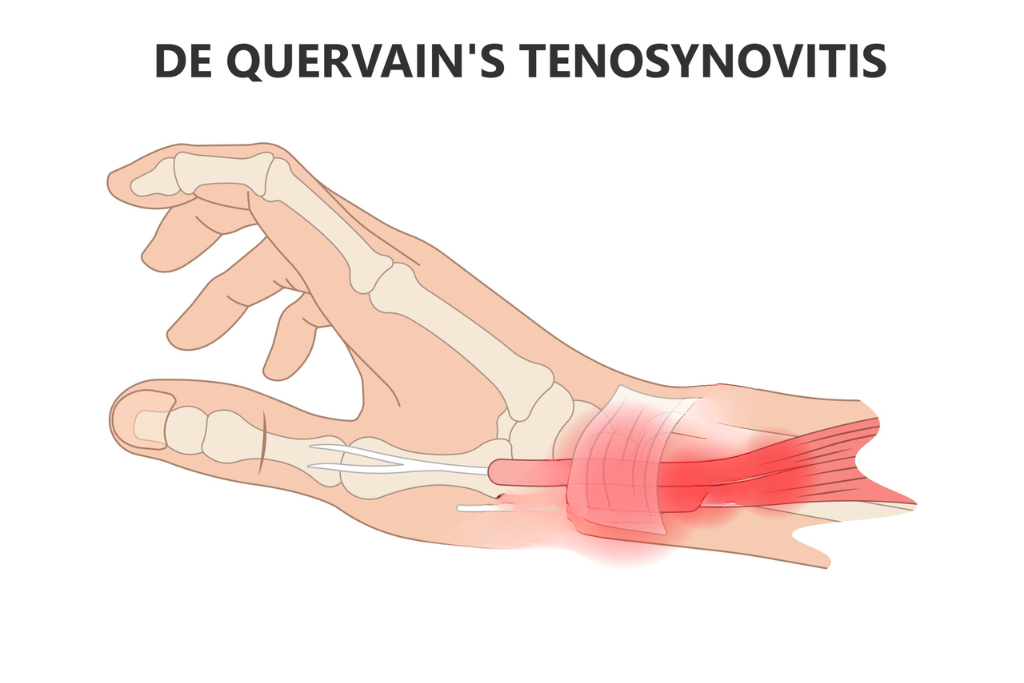
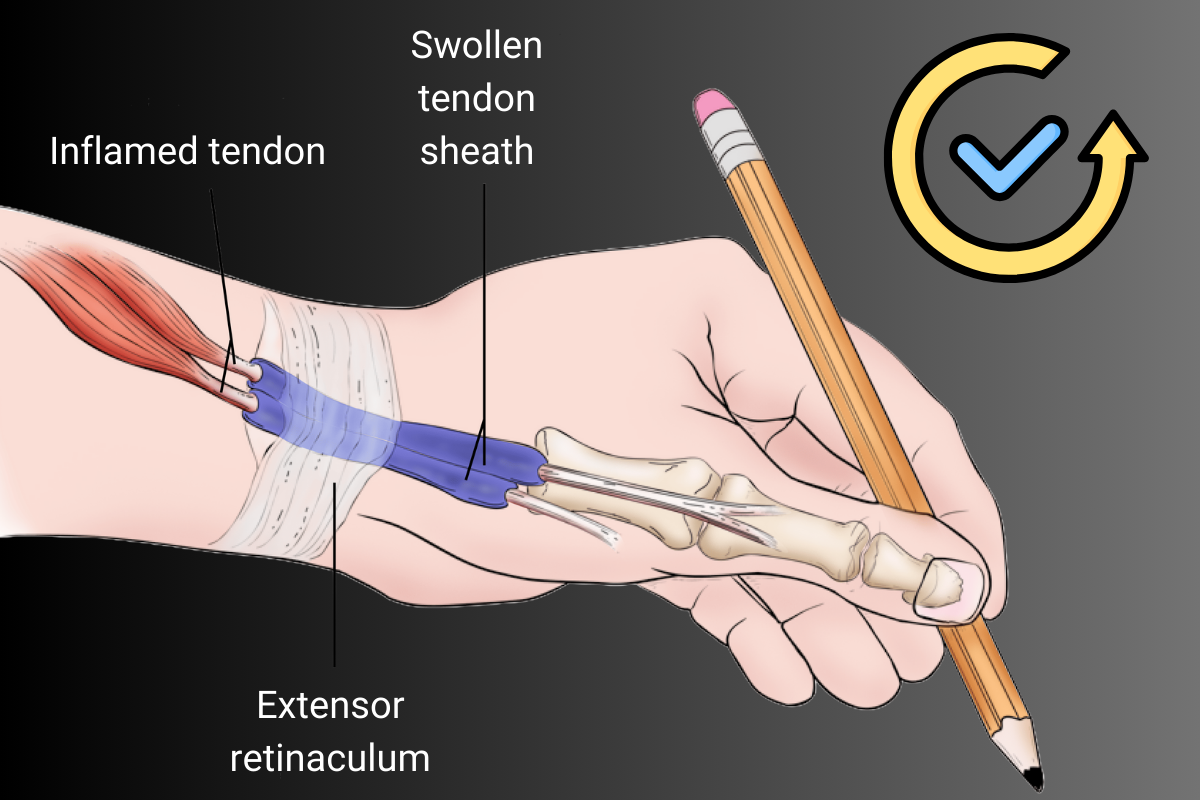
De quervain’s tenosynovitis is a painful condition that affects the tendons on the thumb side of your wrist. It occurs when the sheaths surrounding these tendons become inflamed, leading to pain, swelling, and difficulty in wrist and thumb movements. This condition is often caused by repetitive hand motions, excessive thumb use, or underlying health conditions that contribute to tendon irritation.

Symptoms of de quervain's tenosynovitis

Symptoms of de quervain’s tenosynovitis typically develop gradually and worsen over time. Common symptoms include

Pain & Tenderness

Felt at the base of the thumb and wrist, especially when moving the thumb or gripping objects.

Swelling

Visible swelling along the thumb side of the wrist, sometimes accompanied by a fluid-filled cyst.

Difficulty with thumb and wrist movements

Pain while pinching, grasping, or making a fist.

Catching or snapping sensation

A feeling of resistance when moving the thumb.

Causes of de quervain's tenosynovitis

Several factors can contribute to the development of this condition, including:

  • Repetitive thumb or wrist motion: Activities like texting, gaming, lifting infants, and gardening put strain on the tendons.
  • Inflammatory conditions: Conditions such as rheumatoid arthritis can lead to tendon irritation.
  • Injury or trauma: Direct injury to the wrist may result in swelling and restricted movement.
  • Hormonal changes: Pregnancy and postpartum hormonal shifts can increase susceptibility to tendon inflammation.
  • Genetic predisposition: Some individuals may have naturally tighter tendon sheaths, making them more prone to irritation.

Risk factors for de quervain's tenosynovitis

Several factors can increase your likelihood of developing De Quervain’s Tenosynovitis

Occupation-related risks

Jobs requiring frequent hand movements, such as hairstyling, typing, or playing musical instruments.

Age & Gender

Age & Gender

More common in individuals between the ages of 30 and 50, with women being at a higher risk.

Medical Conditions

Medical Conditions

Arthritis and diabetes increase inflammation and risk.

Pregnancy & Postpartum period

Hormonal changes and repetitive hand use related to infant care.

Age & Gender

Sports & Hobbies

Activities like golf, tennis, and knitting involve repetitive wrist and thumb motion.d occurs more frequently in women.

Medical Conditions

Previous wrist or thumb injury

Past trauma or strain can increase susceptibility to tendon inflammation.

How is de quervain's tenosynovitis diagnosed?

A healthcare professional will diagnose De Quervain’s Tenosynovitis through a combination of medical history, physical examination, and imaging tests.

The doctor will inquire about symptoms, daily activities, and any previous wrist or thumb injuries. They may also ask about occupational and recreational hand use, as well as any underlying conditions such as arthritis or diabetes that could contribute to tendon inflammation.

The doctor will assess the affected area for swelling, tenderness, and restricted movement.

Finkelstein test: This is a key diagnostic test where the patient makes a fist with the thumb inside the fingers and bends the wrist towards the little finger. If this movement causes sharp pain along the thumb side of the wrist, the test is considered positive, indicating inflammation of the tendons.

Additional hand and wrist maneuvers may be performed to rule out other conditions like arthritis or nerve compression syndromes.

  • Ultrasound: This imaging technique can help visualize tendon swelling and thickening, confirming inflammation in the affected area.
  • X-rays: Although not necessary for diagnosing De Quervain’s Tenosynovitis, X-rays can be used to rule out arthritis, fractures, or other structural abnormalities that might be causing wrist pain.

FNB – (Hand & Microsurgery) | Superspecialist  in Hand, Wrist & Microsurgery | MS Ortho | DNB Ortho

  • One of Gujarat’s leading specialists in De quervain’s tenosynovitis and Hand, Wrist & Microsurgical Reconstruction
  • Expert in diagnosis, non-surgical care, and 450+ De quervain’s tenosynovitis surgeries, including nerve decompression and microsurgical techniques.
  • Helps patients regain hand function, strength, and confidence after DQ or nerve-related injuries.
  • Guided by five core values: Knowledge, Technology, Humanity, Transparency, and Affordability.
  • Dedicated to empowering patients, educating doctors, and preventing hand injuries across workplaces and daily life.

Satisfied Patients
0 +
DQ Surgeries
0 +
Years of experience
0 +

De quervain's tenosynovitis treatment in Krisha Hand Ahmedabad

Non-surgical treatments

Non-surgical options are usually the first line of treatment and may include

Wrist Splints

Wrist & Thumb
splints

Immobilizing the thumb and wrist reduces strain on the tendons.

Con: Prolonged immobilization may lead to stiffness and muscle weakening.

Physiotherapy

Anti-inflammatory medications

NSAIDs like ibuprofen can help reduce pain and swelling.

Con: Long-term use may cause gastrointestinal issues or other side effects.

Medications

Corticosteroid
injections

A direct injection can provide temporary relief from inflammation.

Con: Relief may be temporary, and repeated injections can weaken the tendon over time.

Wrist Splints

Activity modification

Avoiding repetitive motions that worsen symptoms.

Con: May require significant lifestyle or occupational adjustments.

Physiotherapy

Physical therapy

Specialized stretching and strengthening exercises to improve mobility.

Con: Requires consistent effort and may take weeks to show improvement.

NSAIDs like ibuprofen can help reduce pain and swelling.

Con: Long-term use may cause gastrointestinal issues or other side effects.

While non-surgical treatments can provide relief, they may not be effective for severe or persistent cases. If symptoms continue, surgery may be recommended.

Surgical treatments

Surgery aims to relieve pressure on the tendons by opening the sheath that constricts them.

De quervain’s release surgery

  • The procedure is typically performed under local anesthesia.
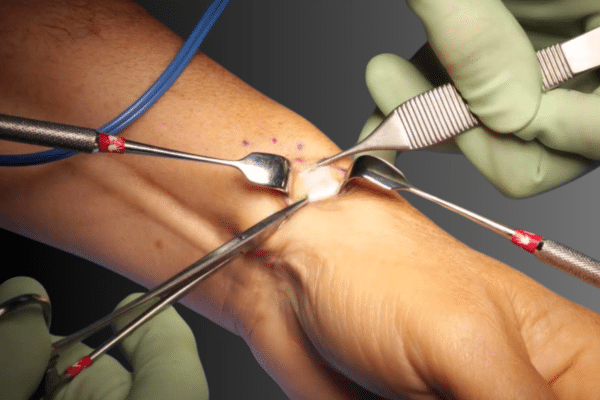
  • A small incision, about 1-2 cm long, is made over the inflamed tendons on the wrist.
  • The surgeon carefully identifies and opens the swollen tendon sheath to release pressure and allow the tendons to move freely.
  • Care is taken to preserve nearby nerves and blood vessels to prevent complications.
  • Once the sheath is released, the incision is closed with stitches, and the hand is bandaged.
  • The patient is monitored for a short time before being discharged, as this is usually an outpatient procedure.
De quervain’s release surgery

Post-surgical recovery varies based on the individual and the severity of the condition. Here’s what to expect:

Wrist Splints

Immediately after surgery

Mild discomfort and swelling can be managed with pain medication and ice therapy.

Physiotherapy

Short-term recovery (Days to Weeks)

  • Gradual improvement in thumb and wrist movement.
  • Avoid heavy lifting or repetitive motions.
Medications

Long-term recovery (Weeks to Months)

  • Physical therapy may be recommended to regain full function.
  • Most patients return to normal activities within 4–6 weeks.

Prevention of de quervain’s tenosynovitis

Preventive measures can help reduce the risk of developing this condition:

  • Ergonomics & Hand positioning: Avoid excessive thumb and wrist strain by adjusting workstation setups.
  • Regular stretching & strengthening: Perform exercises to maintain flexibility and tendon health.
  • Use proper lifting techniques: When lifting objects or babies, use both hands to distribute weight evenly.
  • Avoid overuse: Take breaks when performing repetitive hand activities.
  • Manage underlying conditions: Properly control arthritis, diabetes, and other conditions that increase inflammation.

What makes us the best hospital for de quervain’s tenosynovitis treatment in Ahmedabad?

We pride ourselves on providing exceptional care for patients with de quervain’s tenosynovitis. Here’s why patients across Ahmedabad trust Krisha hand hospital for their treatment:

Expertise of Dr. Karn Maheshwari

He is a highly skilled hand & wrist surgeon specialized in treating de quervain’s tenosynovitis. His specialized knowledge ensures that you receive the most effective treatment tailored to your individual needs.

Personalized treatment plans

We believe that no two patients are the same. Dr. Maheshwari tailors each treatment plan based on your specific symptoms, lifestyle, and preferences, ensuring you get the most effective and least invasive care possible.

Minimally invasive surgery

When surgery is necessary, we use the latest techniques to reduce scarring, shorten recovery times, and get you back to your daily activities faster.

Comprehensive physiotherapy

Our in-house physiotherapy team, led by Dr. Maheshwari, provides targeted rehabilitation exercises post-surgery to ensure optimal recovery and restore hand function as quickly as possible.

State-of-the-art facility

Our hospital is equipped with modern medical technologies, ensuring precise diagnostics and advanced treatment options for every patient.

Patient-centric care

From your first consultation to your follow-up care, our team is dedicated to providing a comfortable, compassionate experience. We prioritize open communication, answering all your questions and keeping you informed every step of the way.

What our patients say about their hand treatment

FAQs about de quervain’s tenosynovitis

We provide a full range of diagnostic and treatment options, including clinical evaluation, non-surgical management (such as splinting, medications, and physical therapy), and surgical intervention if required. Dr. Karn Maheshwari focuses on minimally invasive approaches to restore hand function and relieve pain effectively.

To schedule an appointment, you can call our hospital directly at +91 75677 63301, or book your appointment online at your convenience. We also offer teleconsultation for patients who prefer remote consultation. Our staff will assist you throughout the scheduling process and provide all the necessary information you may need.

During your first visit, our specialist will:

  • Review your medical history and symptoms.
  • Conduct a physical examination, including the Finkelstein test.
  • Recommend diagnostic tests (such as ultrasound) if needed.
  • Discuss treatment options tailored to your condition.

It is helpful to:

  • Bring a list of current medications.
  • Note down symptoms and their duration.
  • Carry previous medical reports or imaging related to your wrist/thumb condition.

Yes, we accept various insurance plans. It’s best to check with your insurance provider regarding coverage for consultations, diagnostic tests, and treatment procedures. Our staff can assist with insurance-related queries.

We offer:

  • Splinting to immobilize the wrist and thumb.
  • Anti-inflammatory medications (NSAIDs) to reduce pain.
  • Corticosteroid injections for targeted relief.
  • Physical therapy with customized stretching and strengthening exercises.
  • Lifestyle and activity modifications to prevent further irritation.

We perform a minimally invasive procedure where:

  • A small incision is made over the affected tendons.
  • The tendon sheath is carefully opened to relieve pressure.
  • The incision is closed with stitches, and recovery begins.

The procedure is quick (typically 30 minutes) and performed under local anesthesia.

Yes, same-day non-surgical treatments (such as splinting, medications, and corticosteroid injections) are available. However, surgical procedures require pre-surgical evaluation and scheduling.

Wait times depend on scheduling availability, severity of your condition, and insurance approvals. Our team will provide an estimated timeline during your consultation.

We use advanced ultrasound imaging to detect tendon inflammation and thickening. X-rays may be used to rule out fractures or arthritis.

No, de quervain’s release surgery is an outpatient procedure, meaning you can go home the same day unless there are special medical considerations.

Book your consultation

    Your Name*

    Mobile Number*

    Your Email*

    Please select your concern*

    Message

    Please prove you are human by selecting the plane.