- +91 75677 63301
- 24*7 Emergency Care

Best Sports Hand Injury Treatment in Ahmedabad
Specialized Sports Hand Injury Care by Dr. Karn Maheshwari at Krisha Hand Hospital

Satisfied Patients
0
+

Sports Hand Injury Surgeries
0
+

Awards
0
+

Years
0
+
Sports hand injury
Sports-related hand injuries are not uncommon, given the physical nature of many athletic activities. Whether caused by a sudden impact, repetitive motions, or overuse, hand injuries can range from mild strains to severe fractures.
These injuries can significantly affect your ability to perform in your sport, and they can also disrupt daily activities. This comprehensive guide explores the common types of sports hand injuries, effective treatment options, recovery strategies, and prevention methods.
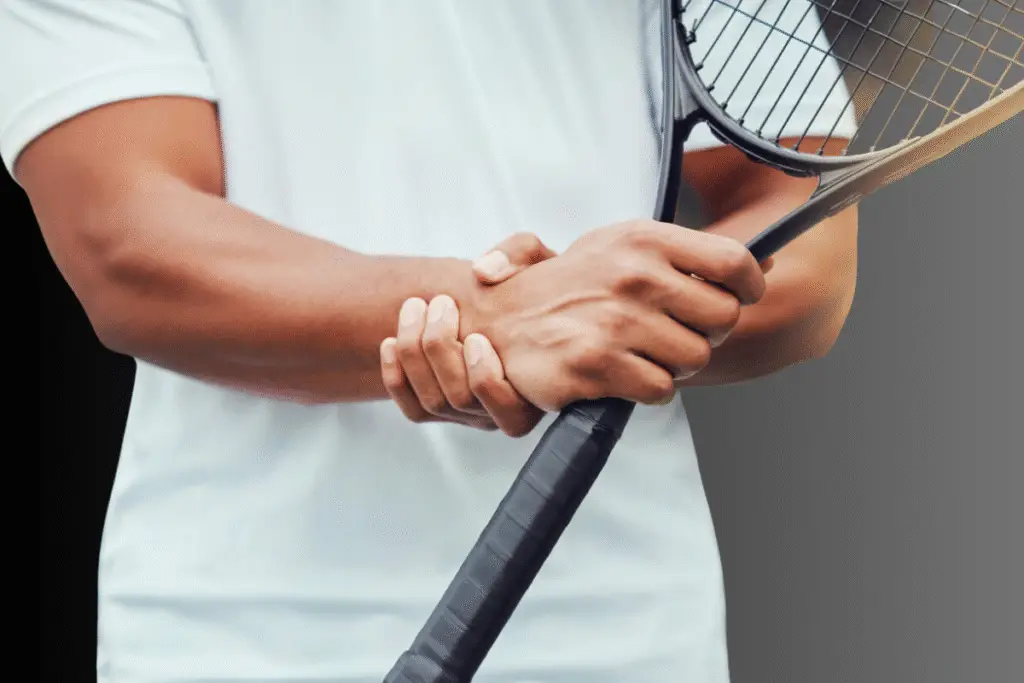
Common types of sports hand injuries
Accurate diagnosis of Carpal Tunnel Syndrome (CTS) is essential for effective treatment. A healthcare professional will typically use a combination of medical history, physical examinations, and diagnostic tests to confirm the condition. Below is a detailed look at the process:
Fractures are one of the most common sports-related hand injuries and typically occur when the hand or wrist is exposed to a sudden impact or fall. Fractures can affect different parts of the hand, including the fingers, metacarpals (bones of the hand), and the wrist bones. Some of the most frequent fractures include:
- Phalangeal fractures: Breaks in the fingers, often caused by a direct hit or catching the ball in sports like basketball.
- Metacarpal fractures: A fracture in the hand bones, which may occur during high-impact activities such as boxing or rugby.
- Distal radius fractures: Fractures of the wrist bone, typically from a fall on an outstretched hand in sports like volleyball or tennis.
- Scaphoid fractures: A break in one of the wrist bones, frequently seen in sports involving falls, like skateboarding or skiing.
Symptoms: Intense pain at the site of the fracture, visible deformity, swelling, bruising, difficulty moving the hand or wrist, and sometimes numbness.
Common sports: Football, Rugby, Basketball, Tennis, Ice Hockey, Skateboarding.
A dislocation occurs when a bone is displaced from its normal position in a joint. Hand dislocations can happen when a person falls on an outstretched hand or when there’s a direct impact. The most common dislocations are those of the fingers and thumb joints.
Symptoms: Sudden, severe pain, visible deformity, inability to move the affected joint, swelling, and tenderness.
Common sports: Basketball, Football, Rugby, Martial Arts, Volleyball, Baseball.
Ligaments are tough, fibrous tissues that connect bones together and stabilize joints. Ligament injuries, such as sprains or tears, occur when these tissues are overstretched or torn. In sports that involve gripping, twisting, or repetitive motions, such injuries are common. Common types include:
- Ulnar collateral ligament (UCL) injuries: Common in sports like baseball or football, where the thumb is stressed during gripping or tackling.
- Collateral ligament injuries: Affects the side ligaments of the fingers or wrists, often occurring from falls or direct hits.
Symptoms: Pain, swelling, bruising, joint instability, difficulty moving the joint, and sometimes a feeling of weakness or giving way.
Common sports: Football, Rugby, Basketball, Tennis, Cricket, Baseball.
(Strains & Tears): Tendons are the tissues that connect muscles to bones. Tendon injuries are typically caused by overuse, sudden movements, or forceful gripping. Common tendon injuries in sports involve the flexor or extensor tendons of the fingers, which control finger movement.
- Extensor tendon injuries: Lead to an inability to extend the finger.
- Flexor tendon injuries: Result in difficulty bending the finger.
Symptoms: Pain, difficulty moving the affected finger, swelling, bruising, and weakness.
Common sports: Tennis (e.g., “tennis elbow” or “Golfer’s elbow”), Baseball (e.g., pitcher’s tendonitis), Rock Climbing, Gymnastics.
This injury is a combination of a bone fracture and a dislocation. It occurs when a bone is broken, and a joint is displaced from its normal position. This complex injury requires immediate medical attention and often surgical intervention.
Symptoms: Immediate pain, visible deformity, inability to move the joint, swelling, and bruising.
Common sports: Football, Rugby, Ice Hockey, Basketball.
Overuse injuries occur when repetitive movements or sustained pressure on the hand leads to stress fractures, tendinitis, or nerve compression. These injuries are often seen in athletes who engage in repetitive actions such as gripping, throwing, or swinging. Conditions like:
- Tendinitis: Inflammation of tendons due to repetitive motion.
- Stress fractures: Small cracks in bones due to constant stress over time.
- Nerve compression injuries: Caused by constant pressure on nerves during gripping or repetitive motions.
Symptoms: Gradual onset of pain that worsens with activity, swelling, tenderness, and restricted movement.
Common sports: Tennis, Baseball, Golf, Swimming, Rowing, Weightlifting.
Nerve compression or irritation occurs when a nerve in the wrist or hand is pinched or squeezed due to swelling or repetitive movement. This can cause symptoms of tingling, numbness, and weakness. In sports, activities like gripping, lifting, or striking can lead to nerve injuries.
Symptoms: Numbness, tingling, pain, and weakness, particularly in the fingers and wrist.
Common sports: Tennis, Golf, Weightlifting, Hockey, Baseball.

Diagnosis of sports hand injuries
Accurate diagnosis is essential for effective treatment of sports hand injuries. A proper diagnosis ensures that the underlying cause of the injury is identified and the most appropriate treatment plan is chosen. Diagnosing sports hand injuries involves a combination of the following methods:
Clinical Examination
The doctor performs a physical examination of the hand and reviews symptoms, deformities injury history, pain, swelling, and movement limitations.
Imaging Tests
X-ray, MRI, CT Scan these imaging techniques help identify fractures, joint issues, and soft tissue damage to assess injury severity.

Ultrasound Examination
Ultrasound provides real-time evaluation of tendons, ligaments, and soft tissues, helping detect tears or inflammation
Nerve Conduction Studies
These tests measure nerve signals to diagnose nerve damage, compression, or conditions like carpal tunnel syndrome.
Arthroscopy
A minimally invasive procedure that allows direct visualization of joint structures when other diagnostic methods are inconclusive.
Laboratory Tests
Blood tests may be used to identify infection, inflammation, or underlying conditions that could affect healing or cause hand pain.

FNB – (Hand & Microsurgery) | Superspecialist in Hand, Wrist & Microsurgery | MS Ortho | DNB Ortho
- One of Gujarat’s leading specialists in Sports-Related Hand and Wrist & Nerve Injuries and Microsurgical Reconstruction.
- Expert in diagnosis, non-surgical care, and 2500+ sports injury surgeries, including ligament repair, tendon injuries, nerve decompression, and microsurgical techniques.
- Helps athletes and active individuals regain hand strength, mobility, and confidence after sports injuries or nerve-related trauma.
- Guided by five core values: Knowledge, Technology, Humanity, Transparency, and Affordability.
- Dedicated to empowering athletes, educating doctors, and preventing sports-related hand and wrist injuries in training, competition, and daily life.
Satisfied Patients
0
+
Sports Hand Surgeries
0
+
Years of experience
0
+
Sports hand injury Treatment in Krisha Hand Hospital
Non-surgical treatments

Rest
Rest is one of the most essential aspects of healing. Taking time off from sports or activities that stress the injured hand allows the body to repair damaged tissues, bones, or joints. It is particularly useful for injuries like sprains, strains, and minor fractures.
Cons:
- Prolonged rest can lead to muscle weakness or stiffness in the affected hand.
- Inactive periods may affect an athlete’s overall conditioning or performance.
Recommendation: Rest should be followed as advised, but it is crucial to resume gentle movements and exercises after the initial healing phase to avoid stiffness and loss of strength.
Ice therapy
Ice therapy is effective in reducing pain, swelling, and inflammation in the injured hand. Applying ice to the injury can be particularly useful during the first 48 hours following an injury to limit the extent of tissue damage.
Cons:
- Prolonged or excessive use of ice can cause tissue damage, such as frostbite.
- Ice may numb the area temporarily, which could lead to overexertion before the injury is fully healed.
- Not a long-term solution for restoring mobility or strength.
Recommendation: Apply ice for 15-20 minutes every 1-2 hours for the first 48 hours. After that, it can be used less frequently, as needed.

Compression
Compression using bandages or wraps can help reduce swelling by providing gentle pressure around the injured area. It also offers additional support to stabilize the hand or wrist.
Cons:
- Too much compression can reduce blood flow and hinder the healing process.
- Incorrect application may cause additional strain or discomfort.
- Compression may be uncomfortable for some individuals, particularly if it’s too tight.
Recommendation: Ensure compression is applied correctly, and avoid wrapping too tightly. Use compression bandages or wraps designed for hand or wrist injuries to avoid discomfort and complications.
Splinting & Orthotics
Elevation involves raising the injured hand above the level of the heart to reduce swelling. This position helps promote blood flow away from the injured area, thereby reducing fluid accumulation and inflammation.
Cons:
- Can be inconvenient, as the hand must be kept elevated for extended periods.
- Limited effect on pain relief or long-term healing.
- Prolonged elevation may lead to stiffness if the hand isn’t moved occasionally.
Recommendation: Elevate the hand whenever possible, especially in the first 48 hours following injury. Combine with other therapies (ice, compression) for optimal results.
Splints & Braces
Splints and braces are designed to immobilize the hand, wrist, or fingers to prevent further movement that could aggravate the injury. They are particularly useful for fractures, sprains, or ligament injuries.
Cons:
- Prolonged use of splints or braces can lead to muscle atrophy or stiffness.
- May restrict daily activities and be uncomfortable for extended use.
- Can cause pressure sores or skin irritation if not applied properly.
Recommendation: Use splints or braces as recommended by your healthcare provider. Make sure they are adjusted correctly to prevent discomfort or additional complications.
Medications
Physical therapy plays a crucial role in the recovery of hand injuries. It focuses on restoring mobility, flexibility, strength, and function to the affected hand. Physical therapy may involve exercises, stretching, and other rehabilitation techniques once the injury has healed enough for movement.
Cons:
- Physical therapy requires time and consistency.
- It can be painful during the initial stages, especially if the injury has caused significant loss of mobility.
- The effectiveness of physical therapy depends on the patient’s commitment and the injury’s severity.
Recommendation: Start physical therapy only after the acute healing phase to avoid further strain. Consistent attendance and following the prescribed exercises are essential for optimal recovery.
While non-surgical treatments help manage sports hand injuries and promote healing, they are often temporary solutions focused on pain relief. For more severe injuries, such as large fractures, complete tendon ruptures, or ligament tears that don’t heal with conservative methods, surgery may be necessary for full recovery and to prevent long-term complications.
Surgical treatments provide a more permanent solution when non-surgical options are insufficient. Consulting a specialist is essential to determine the best approach based on injury severity and recovery goals.
Surgical Treatments for Sports Hand Injury
While many hand injuries can be managed with non-surgical treatments such as rest, ice, and physical therapy, some injuries may require surgery, particularly those that involve severe damage or do not heal properly with conservative methods. Surgical intervention is necessary to restore function, relieve pain, and prevent long-term disability. The type of surgery performed will depend on the specific injury, its severity, and the location of the damage. Below are some of the most common surgical procedures used to treat sports-related hand injuries:

Fracture Reduction (Bone Realignment)
Fracture reduction is a surgical procedure to realign broken or displaced bones, restoring normal hand structure, stability, and function. It is crucial for proper healing and movement.
Procedure:
- Closed Reduction: Bone realignment without an incision, usually under local anesthesia.
- Open Reduction: Surgical exposure of the bone to realign severe fractures.
- Fixation: Stabilizing bones using pins, screws, or plates to hold fragments in place.
Recovery:
- Immobilization of the hand with a cast or splint for several weeks.
- Bone healing typically takes 6–12 weeks.
- Rehabilitation and physical therapy to restore hand strength and mobility.

Tendon repair
Tendon injuries, such as tears or ruptures, often occur during sports or sudden hand movements and can severely limit finger or hand function.
Procedure:
- Tendon Suturing: Torn tendon ends are stitched together using strong, fine sutures.
- Tendon Grafting: Severely damaged tendons are replaced using a tendon from another part of the body or a donor.
Recovery:
- The hand is immobilized in a splint or cast for 4–6 weeks.
- Physical therapy is required to restore tendon strength, flexibility, and hand function.
Ligament Reconstruction
Ligament injuries affect joint stability and commonly occur in contact sports, especially in fingers or thumbs.
Procedure:
- Ligament Repair: Partially torn ligaments are sutured back together.
- Ligament Reconstruction: Completely torn ligaments are reconstructed using tissue grafts from the body or donor.
- Examples include Ulnar Collateral Ligament (UCL) reconstruction and thumb ligament repair.
Recovery:
- Hand is immobilized in a cast or splint for 6–8 weeks.
- Physical therapy restores joint strength, stability, and range of motion.
Joint Realignment
Dislocations occur when joint bones are displaced due to impact or falls, affecting fingers, thumbs, or wrists.
Procedure:
- Closed Reduction: The joint is manually repositioned without an incision.
- Open Reduction: Severe dislocations or those with fractures require surgical exposure and realignment.
- Fixation: Splints or pins may be used to maintain joint stability during healing.
Recovery:
- Joint is immobilized for several weeks to ensure proper healing.
- Physical therapy helps regain range of motion, strength, and joint function.
How to prevent sports hand injuries?
Prevention is key to minimizing the risk of hand injuries in sports. Effective prevention strategies include:
- Warm-up & Stretching: A proper warm-up prepares muscles, ligaments, and joints for activity, reducing the risk of injuries. Stretching helps maintain flexibility and joint health.
- Proper equipment: Ensure you are using the appropriate protective gear such as wrist supports, gloves, or splints to minimize impact and stress on the hands.
- Strengthening exercises: Regular exercises to strengthen the hand, wrist, and forearm muscles help support the joints and reduce the likelihood of injuries.
- Correct technique: Using proper form during sports activities helps avoid unnecessary strain on the hand and wrist.
- Rest & Recovery: Adequate rest is essential to avoid overuse injuries. Pay attention to any signs of pain or fatigue, and give your body time to recover between intense activities.
What our patients say about their sports hand injury treatment
Aashish thakor
Maru name Aashish Thakor Che Mara bhai ne Cricket Ramta Finger Ma Fracture Thayu tu Mane Dr. Sulay Sachdev ne tya Batava gayo Amne Dr.Karn Maheshwari No Reference aapyo hu Krisha Hospital ma Batava aavyo. Sir nu kam saru che Hospital Staff Saro che. Thank u sir 🙏😊
Rajendra Acharaya
Hello, friends
My name is Rajendra Acharya, I am a resident of Bhilwara, Pur in Rajasthan. Friends, while playing cricket, my ring finger got completely broken in the middle due to a ball. For its treatment, I showed it to all places like Bhilwara, Ajmer, Jaipur and Udaipur, but no one got it. Any doctor at any place completely refused to fix it as before and said that there will be no movement in it and it will always remain straight. Then we talked to the person who met us in Ahmedabad and showed us 3-4 places there. We went to Dr. Rajendra ji Patel’s place in Navrangpura. There Dr. Rajendra ji Patel asked us to get treatment from Dr. Karan ji Maheshwari and without any delay we met Karan sir and got the operation done and in just 45 days my finger came back. as it happened
For this I thank Karan Sir very much for correcting my finger.
Ranjita Patel
I had a injury due to cricket ball and my right thumb was fractured so I came at krisha hospital and surgery done by Dr karn Maheshwari after surgery my all movements are normal and i am fully satisfied with surgery and hospital staff was good.I highly recommended Dr karn Maheshwari for any hand related surgery.
Altaf Bhojani.
He Is Awesome Doctor for Hand Surgery…
I have Injury in Right Hand Index Finger While I Playing Cricket…
Ligaments Surgery is fully Successful…
Also Positive and Good Nature of Doctor..
Nemi Modi
Thanks to Dr. Karn and team for taking care of my husband… He had injury by cricket ball on Rt finger and was unable to do even normal movement… Operation was also difficult… Dr. Karn did New minimal surgery for that and now after 1.5 months of surgery now he is able to do total movement of That finger… We are so much thankful to such Hand surgeon at our society… You should also visit for any orthopedic issues… Best opinion best surgery best results… As a patient what we need more?
Hardikparmar111
I recently got treated by Dr. Karn Maheshwari after injuring myself while playing cricket. I am happy with the treatment and care I received. Dr. Maheshwari was great from start to finish.
He took time to explain my cricket ball injury and all the treatment options, so I always knew what was happening. He was clear and honest throughout, which made me feel comfortable and confident.
The treatment was excellent, and thanks to Dr. Maheshwari and the staff. I’m feeling much better and back to my normal activities. I highly recommend Dr. Maheshwari for hand injuries and surgeries.
Vd. Virendra V. Modi
Really great attention by Dr. Karn sir .. perfect diagnosis ..great advice and even advised for further… I had consulted or cricket injury….must visit clinic
What makes us the best hospital for sports hand injury treatment in Ahmedabad?
We are dedicated to providing the highest quality care for sports-related hand injuries. Here’s what sets us apart as the leading choice for treatment in Ahmedabad:

Expertise of Dr. Karn Maheshwari
He is a highly skilled hand & wrist surgeon specialized in treating sports related hand injuries. His specialized knowledge ensures that you receive the most effective treatment tailored to your individual needs.

Personalized treatment plans
We believe that no two patients are the same. Dr. Maheshwari tailors each treatment plan based on your specific symptoms, lifestyle, and preferences, ensuring you get the most effective and least invasive care possible.

Minimally invasive surgery
When surgery is necessary, we use the latest techniques to reduce scarring, shorten recovery times, and get you back to your daily activities faster.

Comprehensive physiotherapy
Our in-house physiotherapy team, led by Dr. Maheshwari, provides targeted rehabilitation exercises post-surgery to ensure optimal recovery and restore hand function as quickly as possible.
State-of-the-art facility
Our hospital is equipped with modern medical technologies, ensuring precise diagnostics and advanced treatment options for every patient.

Patient-centric care
From your first consultation to your follow-up care, our team is dedicated to providing a comfortable, compassionate experience. We prioritize open communication, answering all your questions and keeping you informed every step of the way.
Other Educational Videos Related to Sports Injury

- B-201, 2nd Floor, Shaligram Lakeview, Nr Vaishnodevi Circle, S.P. Ring Road, Highway, Service Rd, Vaishnodevi, Zundal, Ahmedabad, Gujarat 382421
-
Mon–Sat: 11:00 AM – 01:00 PM, 06:00 PM – 08:00 PM
Every 2nd Saturday of the Month: 9:30 AM –11:00 AM - +91 75677 63301
-
Sun: Closed
Emergency: 24/7 Available
Blog related to Sports Hand Injury
FAQs about sports hand injury
We treat a wide range of sports-related hand injuries, including fractures, sprains, strains, tendon ruptures, ligament tears, dislocations, and overuse injuries. We provide both non-surgical and surgical treatment options tailored to each injury’s severity.
During the first visit, specialists will assess the injury through a thorough examination and may recommend diagnostic tests like X-rays or MRIs to determine the injury’s severity. Based on the results, the team will discuss treatment options and create a personalized recovery plan.
Not all severe hand injuries require surgery. Surgical treatment is recommended only if non-surgical methods do not provide adequate healing or if the injury is complex, such as fractures requiring realignment, tendon ruptures, or ligament tears. The specialists will guide patients in choosing the most appropriate treatment option.
In case of a sports hand injury outside of regular clinic hours, we offer emergency services to provide immediate care. Patients should contact the hospital for assistance and guidance on how to proceed.
To schedule an appointment, you can call our hospital directly or book online through our website. Our team will assist you with scheduling and provide any additional information you may need regarding your consultation.
Before your consultation, it is helpful to bring any medical records, previous imaging (such as X-rays or MRIs) related to your hand injury, and a list of any medications you are currently taking. If possible, note the activities or movements that worsen the pain or discomfort, as this will help in the diagnosis.
Yes, Krisha Hand Hospital accepts various insurance plans for sports hand injury treatments. Patients are encouraged to check with their insurance provider for coverage details regarding consultations, diagnostic tests, and treatments.
Recovery time varies depending on the severity of the injury and the type of surgery performed. For example, tendon repair or joint reconstruction may take a few weeks to months for full recovery. Post-surgery rehabilitation, including physiotherapy, plays a vital role in regaining strength, mobility, and function. The medical team will provide detailed recovery instructions specific to the surgery.
Yes, Krisha Hand Hospital provides physiotherapy services as part of the comprehensive treatment for sports hand injuries. Physiotherapy includes exercises and treatments to improve mobility, strength, and function of the injured hand, helping to reduce pain and speed up recovery.
In many cases, non-surgical treatments like splinting, physical therapy, or corticosteroid injections may be administered on the same day as the consultation. However, surgical treatments will require a separate appointment to allow for proper preparation.
The wait time for surgery depends on factors such as the severity of the injury, available surgical slots, and the patient’s condition. During the consultation, the specialists will discuss the timeline and help schedule the surgery at a suitable time.
We offer a wide range of diagnostic tests for sports hand injuries, including X-rays, MRIs, ultrasound imaging, and sometimes CT scans. These tests help evaluate the injury’s severity, identify fractures, tendon tears, ligament damage, and guide treatment planning.
Before surgery, you may be advised to avoid smoking, alcohol, and certain medications like blood thinners, as they can interfere with the healing process. The surgical team will provide detailed instructions to follow in the days leading up to the procedure.
We follow stringent safety protocols, including pre-operative assessments, sterile environments, and experienced surgical teams. The hospital ensures continuous monitoring during and after surgery to minimize risks and promote a successful recovery.
Most surgeries for sports hand injuries are outpatient procedures, meaning you can typically go home the same day. However, if complications arise or for specific procedures, an overnight stay may be recommended for closer monitoring.